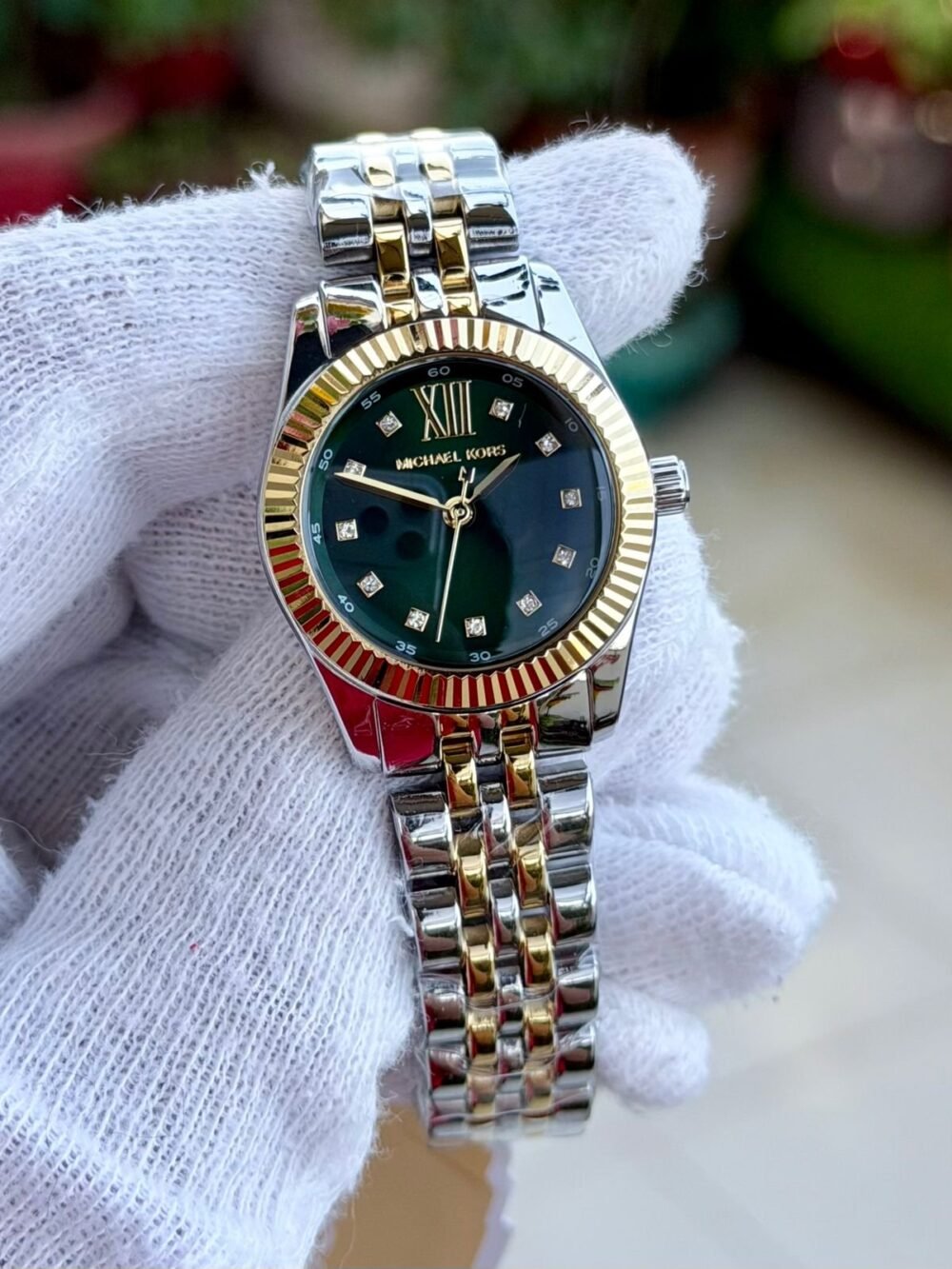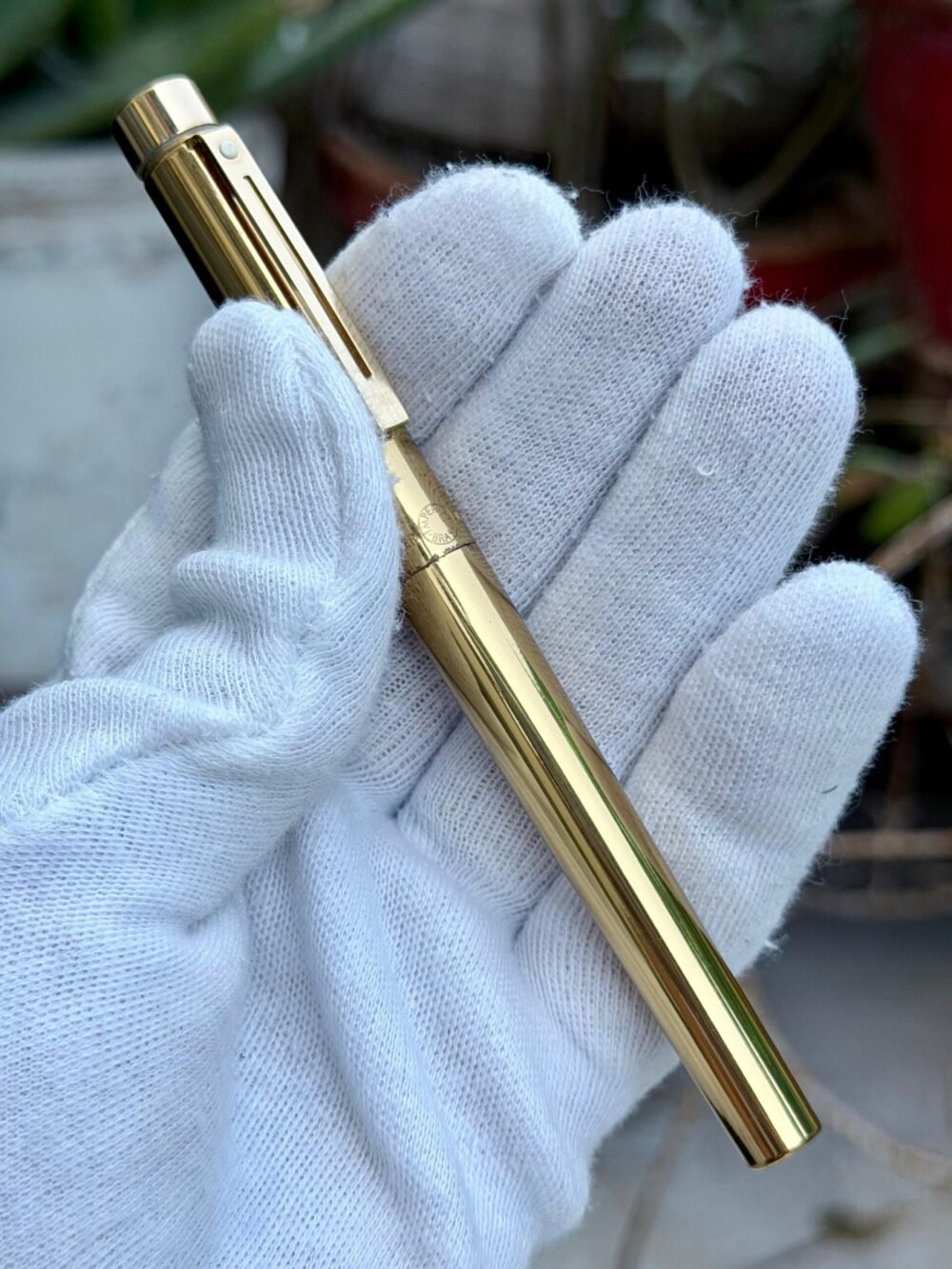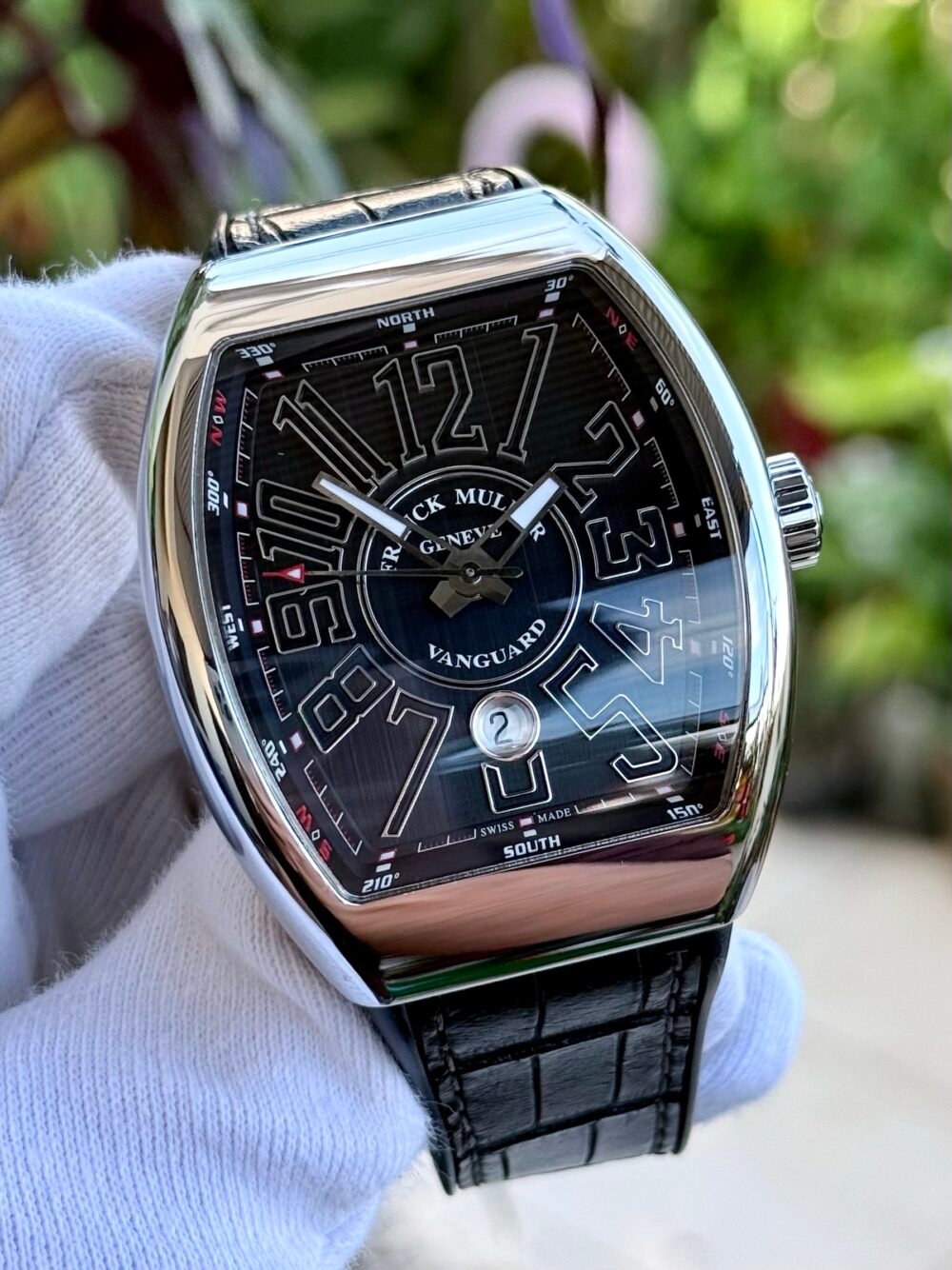
Buying a Vintage Watch: A Beginner’s Guide (1960s–1990s)
Vintage watches have character no new watch can copy. Here is what to look for, what to expect, and how to buy your first one with confidence.
A vintage watch is a small piece of history on your wrist. Many were made when brands like Omega, Longines, Seiko and Tissot were building some of their most loved designs. They are often slimmer and more elegant than modern watches — and many cost less than a new one.
What counts as “vintage”?
There is no official rule, but most collectors use the word for watches roughly 30 years old or more. In our collection, Vintage covers classic pieces from about the 1960s to the 1990s.
Originality matters more than shine
With vintage, the question is not “does it look new?” but “is it original?” Collectors value the original dial, hands and crown far more than a polished case. Watch out for:
- Redials: dials that have been repainted. The printing may look too crisp, too thick, or slightly off.
- Replacement hands and crowns that don’t match the era or the brand.
- Over-polishing: soft, rounded case edges where there should be sharp lines.
Honest patina — an evenly aged dial, lume that has turned cream — is part of the charm.
Expect vintage timekeeping
A mechanical movement from the 1970s will not keep time like a modern quartz watch. Our refund policy notes that a variance of around ±40 seconds a day is normal for vintage pieces. If you want perfect accuracy every day, a modern watch will suit you better.
Water is the enemy
Old gaskets don’t seal like new ones. Treat any vintage watch as not water resistant, even if the dial says otherwise: no swimming, no washing hands with it on.
Sizes were smaller
Many men’s watches from the 1960s–70s are 33–36mm. On the wrist they look elegant and understated. Check the case size in the listing and compare it with a watch you already own.
Five questions to ask before you buy
- Is the dial original?
- Does it run, and how much does it gain or lose in a day?
- When was it last serviced?
- Are the crown and hands correct for the model?
- Can I see a video of the exact watch running?
Ask us any of these about a watch you like — we’ll answer honestly and send a video.